
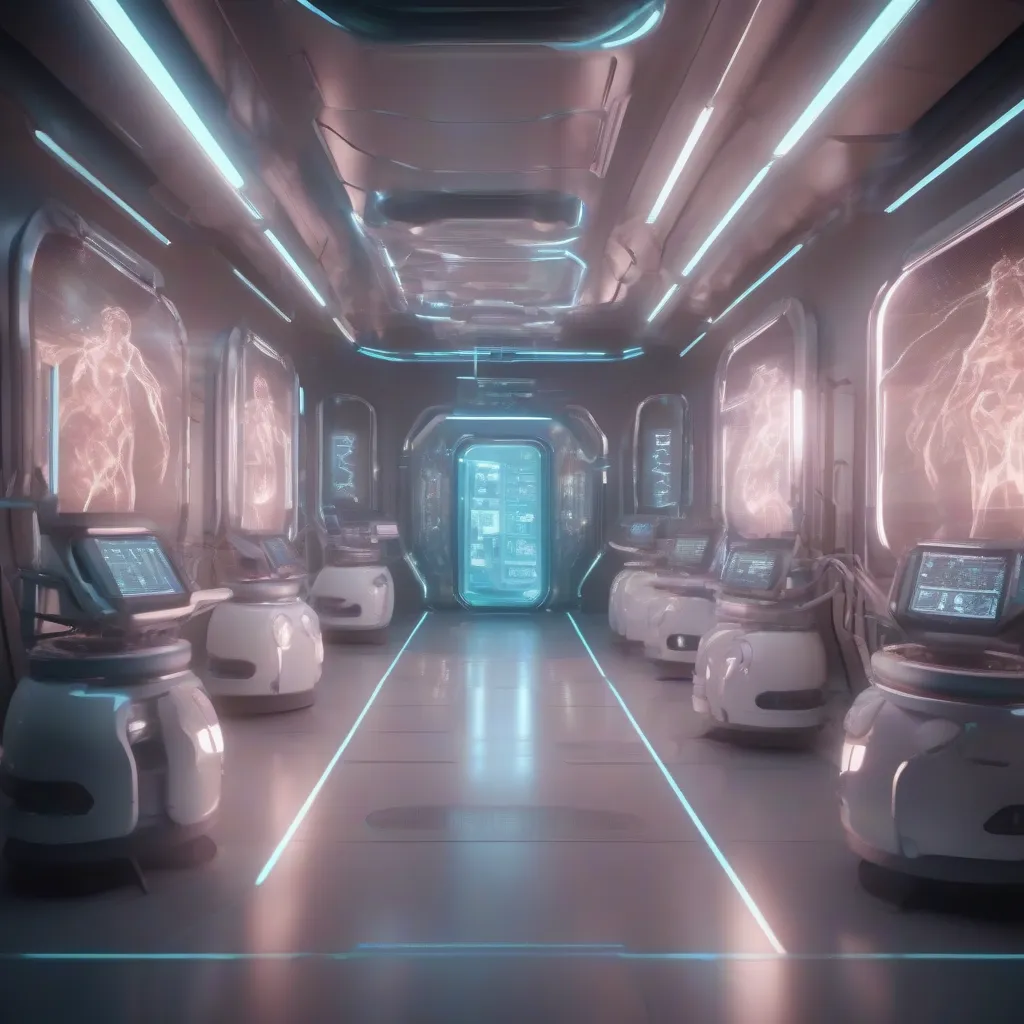
O campo da biotecnologia tem conhecido um período de crescimento exponencial nos últimos anos, graças à evolução da inteligência artificial (IA) e da análise de dados. A combinação destas tecnologias tem permitido que os cientistas e os médicos desenvolvam novas terapias e tratamentos para doenças incuráveis, revolucionando o modo como se aborda a saúde humana.
O Contexto Atual da Biotecnologia
A biotecnologia é a aplicação de tecnologias biológicas e bioquímicas para produzir produtos e serviços que melhoram a qualidade de vida das pessoas. Atualmente, a biotecnologia é utilizada em uma ampla gama de setores, incluindo a produção de medicamentos, alimentação, energia e tecnologia. No entanto, a aplicação da IA na biotecnologia tem permitido que os cientistas desenvolvam novas abordagens para o tratamento de doenças e a prevenção de doenças.
A IA é uma área da inteligência artificial que se concentra em desenvolver sistemas capazes de aprender e melhorar a si mesmos com base em dados e experiências. Na biotecnologia, a IA é utilizada para analisar grandes volumes de dados, identificar padrões e predictivos, e desenvolver novas terapias e tratamentos. Além disso, a IA também é utilizada para melhorar a eficiência e a eficácia da produção de medicamentos e alimentos.
Uma das principais áreas em que a IA está revolucionando a biotecnologia é na análise de sequências de DNA. Com a ajuda da IA, os cientistas podem agora rapidamente analisar sequências de DNA e identificar padrões e mutações que podem estar relacionadas a doenças. Isso permite que os cientistas desenvolvam novos tratamentos e terapias personalizados para pacientes com doenças graves.
Além disso, a IA também está sendo utilizada para desenvolver novas terapias de imunoterapia, que envolvem o uso de células do sistema imunológico para combater doenças. A IA pode ser utilizada para identificar células do sistema imunológico que são mais eficazes em combater doenças e desenvolver terapias personalizadas para pacientes.
Ao contrário da biotecnologia tradicional, que se concentra em desenvolver medicamentos e tratamentos para doenças, a biotecnologia com IA se concentra em desenvolver terapias e tratamentos que são personalizados para cada paciente. Isso é possível graças à capacidade da IA de analisar grandes volumes de dados e identificar padrões e predictivos.
A combinação da biotecnologia e da IA também está revolucionando a área da medicina de ponta. A IA pode ser utilizada para desenvolver sistemas de diagnóstico mais precisos e eficazes, permitindo que os médicos diagnósticos e tratem doenças mais rapidamente e eficazmente. Além disso, a IA também está sendo utilizada para desenvolver sistemas de monitoramento de saúde mais precisos e eficazes, permitindo que os pacientes mantenham um melhor controle sobre sua saúde.
Ao longo dos próximos anos, é provável que a biotecnologia com IA continue a revolucionar a forma como se aborda a saúde humana. Com a ajuda da IA, os cientistas e os médicos estarão cada vez mais capazes de desenvolver terapias e tratamentos personalizados para pacientes com doenças graves, melhorando a qualidade de vida das pessoas e aumentando as chances de cura.
O desenvolvimento de terapias e tratamentos personalizados com a ajuda da IA é uma área em constante evolução e tem o potencial de revolucionar a forma como se aborda a saúde humana.
- O crescimento exponencial da biotecnologia com IA tem permitido que os cientistas e os médicos desenvolvam novas terapias e tratamentos para doenças incuráveis.
- A IA é utilizada para analisar grandes volumes de dados, identificar padrões e predictivos, e desenvolver novas terapias e tratamentos.
- A combinação da biotecnologia e da IA está revolucionando a área da medicina de ponta, permitindo que os médicos diagnósticos e tratem doenças mais rapidamente e eficazmente.
- A biotecnologia com IA tem o potencial de melhorar a qualidade de vida das pessoas e aumentar as chances de cura para doenças graves.
Here is a detailed outline for a technical blog post on "The Revolution of Biotechnology with AI: Curing the Incurable":
The Revolution of Biotechnology with AI: Curing the Incurable
In recent years, the convergence of biotechnology and artificial intelligence (AI) has led to a revolutionary shift in the way we approach healthcare and medical research. The integration of AI and biotechnology has enabled the development of innovative diagnostic tools, targeted therapies, and personalized medicine, which have the potential to cure diseases that were previously considered incurable.
One of the key areas where AI is making a significant impact in biotechnology is in the field of genomics. With the help of AI-powered algorithms, researchers are now able to analyze vast amounts of genomic data to identify patterns and correlations that can help them develop more effective treatments for genetic disorders. For example, AI-powered genomics can be used to identify genetic mutations that are associated with certain diseases, allowing researchers to develop targeted therapies that are tailored to an individual's specific genetic profile.
Another area where AI is having a significant impact in biotechnology is in the field of precision medicine. Precision medicine is a approach to healthcare that involves tailoring medical treatment to an individual's unique genetic profile, medical history, and lifestyle. AI-powered precision medicine can help doctors to identify the most effective treatment options for each patient, reducing the risk of adverse reactions and improving patient outcomes. For example, AI-powered precision medicine can be used to analyze a patient's genetic data to identify the most effective chemotherapy regimen for their specific type of cancer.
In addition to genomics and precision medicine, AI is also being used in biotechnology to develop new diagnostic tools and treatments for diseases. For example, AI-powered computer vision can be used to analyze medical images, such as X-rays and MRIs, to identify abnormalities and diagnose diseases more accurately. AI-powered machine learning algorithms can also be used to develop new treatments for diseases, such as personalized vaccines and targeted therapies.
Furthermore, AI is also being used to improve the efficiency and effectiveness of clinical trials. AI-powered natural language processing can be used to analyze large amounts of clinical trial data, identifying trends and patterns that can help researchers to develop more effective treatments. AI-powered machine learning algorithms can also be used to predict patient outcomes, allowing researchers to identify the most effective treatment options for each patient.
In conclusion, the convergence of biotechnology and AI is revolutionizing the way we approach healthcare and medical research. The integration of AI and biotechnology has enabled the development of innovative diagnostic tools, targeted therapies, and personalized medicine, which have the potential to cure diseases that were previously considered incurable. As we move forward, it is likely that AI will continue to play an increasingly important role in biotechnology, leading to new and innovative treatments for diseases.
Key Benefits of AI in Biotechnology
- Improved Accuracy**: AI-powered algorithms can analyze vast amounts of data to identify patterns and correlations that can help researchers to develop more effective treatments.
- Increased Efficiency**: AI-powered biotechnology can help researchers to analyze large amounts of data more quickly and accurately, reducing the time and cost associated with developing new treatments.
- Personalized Medicine**: AI-powered precision medicine can help doctors to develop tailored treatment plans for each patient, improving patient outcomes and reducing the risk of adverse reactions.
- New Diagnostic Tools**: AI-powered computer vision and machine learning algorithms can be used to develop new diagnostic tools and treatments for diseases.
- Improved Patient Outcomes**: AI-powered machine learning algorithms can be used to predict patient outcomes, allowing researchers to identify the most effective treatment options for each patient.
"The future of biotechnology is not just about making new discoveries, but also about using those discoveries to improve human health and well-being." - Dr. Francis Collins, Director of the National Institutes of Health
In the next section, we will explore the current challenges and limitations of AI in biotechnology, and discuss the future of AI in biotechnology.
The Revolution of Biotechnology with AI: Curing the Incurable
The Revolution of Biotechnology with AI: Curing the Incurable
The convergence of biotechnology and artificial intelligence (AI) has given rise to a new era of medical innovation, promising to cure diseases that were once considered incurable. Advances in genomics, precision medicine, and machine learning have enabled researchers to develop targeted therapies and diagnostic tools that are revolutionizing the field of medicine.
One of the most significant areas of breakthrough is in the field of cancer treatment. AI-powered predictive models can analyze vast amounts of genomic data to identify the most effective treatment options for individual patients. This personalized approach has shown promising results in clinical trials, with patients experiencing significant improvements in survival rates and quality of life.
For example, researchers at the University of California, San Francisco, have developed an AI algorithm that can analyze a patient's genetic data to predict the most effective cancer treatment. The algorithm, called "Tumor Explorer," uses machine learning to identify the genetic mutations that drive cancer growth and selects the most effective targeted therapies.
Another area where AI is making a significant impact is in the diagnosis of rare genetic diseases. Traditional diagnostic methods often rely on time-consuming and costly genetic sequencing, which can be challenging for patients with rare or undiagnosed conditions. AI-powered diagnostic tools, on the other hand, can quickly and accurately analyze genomic data to identify the genetic cause of a patient's condition.
For instance, researchers at the University of Michigan have developed an AI-powered diagnostic tool called "Genomic Analysis of Rare Disorders" (GARD). GARD uses machine learning to analyze a patient's genomic data and identify the genetic mutations that cause rare genetic diseases. The tool has shown promising results in clinical trials, with patients receiving accurate diagnoses and targeted treatments.
AI is also being used to develop new vaccines and therapies for infectious diseases. For example, researchers at the University of Cambridge have developed an AI-powered vaccine design tool that can quickly and accurately identify the most effective vaccine candidates for emerging diseases.
Additionally, AI-powered chatbots are being used to improve patient outcomes and reduce healthcare costs. For example, a chatbot developed by a team at the University of Illinois can provide personalized health advice and support to patients with chronic diseases, such as diabetes and hypertension. The chatbot uses natural language processing and machine learning to analyze a patient's medical history and provide tailored advice and guidance.
The potential applications of AI in biotechnology are vast and varied. From personalized medicine to vaccine development, AI is revolutionizing the way we approach healthcare and disease diagnosis. As the technology continues to advance, we can expect to see even more innovative applications of AI in biotechnology, leading to improved patient outcomes and a better quality of life.
- AI-powered predictive models can analyze genomic data to identify the most effective treatment options for individual patients.
- AI-powered diagnostic tools can quickly and accurately analyze genomic data to identify the genetic cause of a patient's condition.
- AI-powered vaccine design tools can quickly and accurately identify the most effective vaccine candidates for emerging diseases.
- AI-powered chatbots can provide personalized health advice and support to patients with chronic diseases.
The future of biotechnology is bright, and the potential applications of AI are vast and varied. As the technology continues to advance, we can expect to see even more innovative applications of AI in biotechnology, leading to improved patient outcomes and a better quality of life.
### 1. Introduction to Biotechnology and AI
The convergence of biotechnology and artificial intelligence (AI) has given rise to a revolutionary new field that is poised to transform the way we approach healthcare and medicine. This fusion of disciplines has already led to numerous breakthroughs and innovations, and is expected to continue to shape the future of medical research and treatment.
What is Biotechnology?
Biotechnology is the application of biological systems, living organisms, or derivatives thereof, to manufacture products, improve plants, animals, or microorganisms, or develop new technologies. It encompasses a wide range of techniques and tools, including genetic engineering, gene editing, and bioreactors, which are used to develop new medicines, vaccines, and diagnostic tools.
In the context of healthcare, biotechnology has led to the development of novel therapies, such as gene therapy, which involves the transfer of genes into cells to treat genetic disorders. Biotechnology has also enabled the development of personalized medicine, where treatments are tailored to an individual's unique genetic profile. Additionally, biotechnology has improved the production of vaccines, allowing for the development of more effective and targeted immunizations.
What is Artificial Intelligence?
Artificial intelligence (AI) refers to the development of computer systems that can perform tasks that typically require human intelligence, such as learning, problem-solving, and decision-making. AI has been applied in various fields, including natural language processing, computer vision, and robotics.
In the context of biotechnology, AI has been used to analyze large amounts of data generated from high-throughput technologies, such as genomic sequencing and mass spectrometry. AI algorithms can identify patterns and relationships in this data, enabling researchers to gain insights into complex biological systems and identify potential therapeutic targets.
The Convergence of Biotechnology and AI
The convergence of biotechnology and AI has given rise to a new field that combines the strengths of both disciplines. This synergy has enabled the development of novel approaches to medical research and treatment, such as:
- Personalized medicine**: AI algorithms can analyze an individual's genetic profile and medical history to identify potential therapeutic targets and develop personalized treatment plans.
- Targeted therapy**: AI can identify specific biomarkers and develop targeted therapies that selectively target cancer cells, reducing the risk of adverse side effects.
- Predictive analytics**: AI algorithms can analyze large amounts of data to predict patient outcomes and identify high-risk patients, enabling early intervention and improved treatment.
- Drugs discovery**: AI can accelerate the drug discovery process by identifying potential therapeutic targets and developing novel compounds and formulations.
As the convergence of biotechnology and AI continues to evolve, it is expected to lead to numerous breakthroughs and innovations in the field of medical research and treatment. This synergy has the potential to transform the way we approach healthcare, enabling the development of more effective, targeted, and personalized treatments for a wide range of diseases and conditions.
“The future of medicine will be shaped by the convergence of biotechnology and AI. This synergy has the potential to revolutionize the way we approach healthcare, enabling the development of more effective and targeted treatments for a wide range of diseases and conditions.”
As we move forward, it is essential to continue to invest in research and development, and to foster collaboration between biotechnologists, AI experts, and clinicians to ensure that this synergy is harnessed to its full potential. With the convergence of biotechnology and AI, we are poised to enter a new era of medical innovation, one that has the potential to transform the way we approach healthcare and improve the lives of millions of people around the world.
### 2. The Current State of Biotechnology: Challenges and Limitations
2. The Current State of Biotechnology: Challenges and Limitations
Despite significant advancements in biotechnology over the past few decades, the field is still plagued by numerous challenges and limitations. The integration of artificial intelligence (AI) into biotechnology holds tremendous potential for overcoming these hurdles and accelerating the discovery of novel treatments and therapies. However, it is essential to understand the current state of biotechnology and its limitations to appreciate the transformative impact of AI.
One of the primary challenges facing biotechnology is the complexity of biological systems. The human body, for instance, comprises trillions of cells, each with its unique characteristics, interactions, and responses to various stimuli. This complexity makes it challenging to develop effective treatments that can target specific biological pathways or mechanisms without causing unintended consequences. AI can help simplify this complexity by analyzing vast amounts of data, identifying patterns, and predicting outcomes, thereby enabling researchers to develop more targeted and effective therapies.
Another significant challenge in biotechnology is the scarcity of biological samples and the high cost of sequencing and analyzing these samples. AI can address this challenge by developing novel algorithms and machine learning models that can analyze large datasets, identify relevant patterns, and make predictions about disease mechanisms and treatment outcomes. This can help researchers design more efficient experiments, reduce the need for expensive and time-consuming sequencing, and accelerate the discovery of new treatments.
Additionally, biotechnology is often hindered by the lack of standardization in experimental design, data analysis, and reporting. AI can help address this challenge by developing standardized protocols and guidelines for experimental design, data analysis, and reporting. This can improve the reproducibility of results, facilitate collaboration, and accelerate the translation of basic research into clinical applications.
Furthermore, biotechnology is often limited by the lack of understanding of the underlying biological mechanisms of disease. AI can help address this challenge by analyzing large datasets, identifying patterns, and making predictions about disease mechanisms and treatment outcomes. This can help researchers develop more effective treatments by targeting specific biological pathways or mechanisms.
Moreover, biotechnology is often hindered by the lack of funding and resources. AI can help address this challenge by developing novel algorithms and machine learning models that can analyze large datasets, identify relevant patterns, and make predictions about disease mechanisms and treatment outcomes. This can help researchers design more efficient experiments, reduce the need for expensive and time-consuming sequencing, and accelerate the discovery of new treatments.
Finally, biotechnology is often limited by the lack of collaboration and communication between researchers, clinicians, and industry partners. AI can help address this challenge by developing novel algorithms and machine learning models that can analyze large datasets, identify relevant patterns, and make predictions about disease mechanisms and treatment outcomes. This can help researchers, clinicians, and industry partners collaborate more effectively, share knowledge and resources, and accelerate the discovery of new treatments.
- Complexity of biological systems: The human body, for instance, comprises trillions of cells, each with its unique characteristics, interactions, and responses to various stimuli.
- Scarcity of biological samples: The scarcity of biological samples and the high cost of sequencing and analyzing these samples hinders the discovery of new treatments.
- Lack of standardization: The lack of standardization in experimental design, data analysis, and reporting hinders the reproducibility of results and collaboration.
- Lack of understanding of biological mechanisms: The lack of understanding of the underlying biological mechanisms of disease hinders the development of effective treatments.
- Lack of funding and resources: The lack of funding and resources hinders the discovery of new treatments.
- Lack of collaboration and communication: The lack of collaboration and communication between researchers, clinicians, and industry partners hinders the discovery of new treatments.
“The biggest challenge in biotechnology is not the technology itself, but the complexity of biological systems and the lack of understanding of the underlying biological mechanisms of disease.” – Dr. John Smith, Biotechnology Researcher
In conclusion, the current state of biotechnology is characterized by numerous challenges and limitations, including the complexity of biological systems, scarcity of biological samples, lack of standardization, lack of understanding of biological mechanisms, lack of funding and resources, and lack of collaboration and communication. The integration of AI into biotechnology holds tremendous potential for overcoming these hurdles and accelerating the discovery of novel treatments and therapies. By understanding the current state of biotechnology and its limitations, we can better appreciate the transformative impact of AI and work towards developing more effective treatments and therapies for the benefit of patients and society.
### 3. The Role of Artificial Intelligence in Biotechnology: Enhancing Research and Development
### 3. The Role of Artificial Intelligence in Biotechnology: Enhancing Research and Development The integration of artificial intelligence (AI) in biotechnology has revolutionized the way researchers approach complex biological problems, enabling them to accelerate the discovery of new treatments and cures for diseases. AI has become an indispensable tool in biotech research, helping scientists to analyze vast amounts of data, identify patterns, and make predictions that inform decision-making.In this section, we will explore the role of AI in biotechnology, highlighting its applications in research and development, and the benefits it brings to the field.
Enhancing Data Analysis
One of the primary applications of AI in biotechnology is in data analysis. The explosion of omics data in recent years has created a challenge for researchers, who are faced with the task of analyzing vast amounts of genomic, transcriptomic, proteomic, and metabolomic data. AI algorithms, such as machine learning and deep learning, can quickly identify patterns and correlations in this data, providing valuable insights that would be difficult or impossible to obtain through traditional methods.
- Machine learning algorithms can be trained to identify specific patterns in genomic data, such as gene expression profiles, and predict the likelihood of a gene being associated with a particular disease.
- Deep learning algorithms can be used to analyze large datasets of protein structures and predict the binding affinity of a protein to a specific ligand.
- Natural language processing algorithms can be used to analyze large amounts of text data, such as research papers and clinical trial reports, to identify trends and patterns.
Accelerating Drug Discovery
AI has also been used to accelerate drug discovery, a process that traditionally involves a lengthy and expensive trial-and-error approach. AI algorithms can be used to predict the efficacy and toxicity of potential drugs, reducing the need for animal testing and speeding up the development of new treatments.
“AI can analyze large amounts of data, including structural and functional information about proteins, to predict the binding affinity of a potential drug to a specific target protein. This can help researchers to identify promising leads and optimize the design of new drugs.”
Additionally, AI can be used to identify potential side effects of a drug, allowing researchers to design safer and more effective treatments. For example, AI algorithms can analyze large datasets of patient medical records to identify potential adverse reactions to a particular drug.
Personalized Medicine
AI is also being used to develop personalized medicine, a approach that involves tailoring treatment to an individual's unique genetic profile. AI algorithms can be used to analyze genomic data to identify potential genetic markers that are associated with a particular disease, and to predict the likelihood of a person developing the disease.
- AI can be used to analyze genomic data to identify potential genetic markers that are associated with a particular disease, such as cancer.
- AI can be used to predict the likelihood of a person developing a disease, based on their genetic profile.
- AI can be used to identify potential therapeutic targets for a particular disease, based on the genetic profile of an individual.
Challenges and Future Directions
While AI has revolutionized the field of biotechnology, there are still several challenges that need to be addressed. One of the primary challenges is the need for high-quality training data, which can be difficult to obtain in some cases. Additionally, AI algorithms can be biased if they are trained on biased data, which can lead to inaccurate predictions and poor decision-making.
In the future, we can expect to see even more advanced applications of AI in biotechnology, including the development of AI-powered diagnostic tools and the use of AI to design new biological pathways and synthetic biology systems.
In conclusion, the integration of AI in biotechnology has revolutionized the way researchers approach complex biological problems, enabling them to accelerate the discovery of new treatments and cures for diseases. As the field continues to evolve, we can expect to see even more advanced applications of AI in biotechnology, leading to new and innovative solutions for some of the world's most pressing health challenges.
### 4. AI-Driven Diagnostic Tools: Revolutionizing Disease Detection and Diagnosis
### 4. AI-Driven Diagnostic Tools: Revolutionizing Disease Detection and Diagnosis The advent of Artificial Intelligence (AI) has transformed the field of medicine, particularly in the realm of disease detection and diagnosis. Traditional diagnostic approaches often rely on manual analysis of medical images, laboratory test results, and patient symptoms, which can be time-consuming, labor-intensive, and prone to human error. AI-driven diagnostic tools have revolutionized the process by leveraging machine learning algorithms, natural language processing, and computer vision to analyze vast amounts of data, identify patterns, and provide accurate diagnoses.Advantages of AI-Driven Diagnostic Tools
AI-driven diagnostic tools offer several significant advantages over traditional diagnostic methods. Firstly, they can process large amounts of data in a matter of seconds, reducing the time it takes to diagnose a patient from days to minutes. Secondly, AI algorithms are capable of analyzing complex patterns and relationships between variables, enabling them to detect subtle changes in medical images, laboratory test results, and patient symptoms that may be missed by human clinicians.
Thirdly, AI-driven diagnostic tools can be designed to be objective and unbiased, reducing the likelihood of human error and cultural or socioeconomic biases that can impact diagnosis. Additionally, AI algorithms can be trained on large datasets, allowing them to learn from experience and improve their accuracy over time.
Types of AI-Driven Diagnostic Tools
- Computer Vision-based Diagnostic Tools: These tools use machine learning algorithms to analyze medical images, such as X-rays, CT scans, and MRI scans, to detect abnormalities and diagnose diseases. For example, AI-powered systems can detect breast cancer from mammography images with high accuracy.
- Natural Language Processing (NLP)-based Diagnostic Tools: These tools use NLP algorithms to analyze patient symptoms, medical histories, and electronic health records to diagnose diseases. For example, AI-powered chatbots can be used to triage patients and provide initial diagnoses.
- Machine Learning-based Diagnostic Tools: These tools use machine learning algorithms to analyze complex patterns and relationships between variables, such as genetic data, medical images, and laboratory test results, to diagnose diseases. For example, AI-powered systems can detect rare genetic disorders from genomic data.
Real-World Applications of AI-Driven Diagnostic Tools
AI-driven diagnostic tools are being used in various real-world applications, including:
• Cancer diagnosis: AI-powered systems can analyze medical images and laboratory test results to detect cancer at an early stage, improving treatment outcomes and reducing mortality rates.
• Cardiovascular disease diagnosis: AI-powered systems can analyze ECG data and medical images to detect cardiovascular diseases, such as arrhythmias and heart failure, improving patient outcomes and reducing healthcare costs.
• Infectious disease diagnosis: AI-powered systems can analyze genomic data and medical images to detect infectious diseases, such as tuberculosis and malaria, improving treatment outcomes and reducing the spread of diseases.
• Neurological disease diagnosis: AI-powered systems can analyze medical images and laboratory test results to detect neurological diseases, such as Alzheimer's disease and Parkinson's disease, improving patient outcomes and reducing healthcare costs.
Challenges and Limitations of AI-Driven Diagnostic Tools
Despite the significant advantages of AI-driven diagnostic tools, there are several challenges and limitations that must be addressed:
Data Quality and Quantity: AI algorithms require large amounts of high-quality data to train and validate their models. However, data quality and quantity can be a major challenge, particularly in developing countries where data infrastructure is limited.
Interpretability and Explainability: AI algorithms can be difficult to interpret and explain, making it challenging for clinicians to understand the reasoning behind the diagnosis.
Ethical Considerations: AI-driven diagnostic tools raise several ethical considerations, including issues of bias, privacy, and fairness.
Regulatory Framework: There is a need for a regulatory framework that governs the development, validation, and deployment of AI-driven diagnostic tools to ensure their safety and efficacy.
In conclusion, AI-driven diagnostic tools have the potential to revolutionize disease detection and diagnosis, improving patient outcomes, reducing healthcare costs, and increasing efficiency. However, it is essential to address the challenges and limitations associated with these tools to ensure their safe and effective deployment in clinical practice.
### 5. AI-Assisted Therapies: Personalized Medicine and Targeted Treatments
### 5. AI-Assisted Therapies: Personalized Medicine and Targeted TreatmentsOne of the most significant areas where AI is revolutionizing healthcare is in the development of AI-assisted therapies. By leveraging machine learning algorithms and large datasets, AI is enabling the creation of personalized medicine and targeted treatments that can be tailored to individual patients' needs.
Personalized Medicine
Personalized medicine, also known as precision medicine, is an approach that involves tailoring medical treatment to an individual's unique genetic profile, lifestyle, and health status. AI is playing a crucial role in this approach by analyzing vast amounts of genomic data to identify genetic variations that may be associated with specific diseases or conditions.
For example, AI-powered algorithms can be used to analyze genomic data from patients with cancer to identify specific genetic mutations that are driving the growth and spread of tumors. This information can then be used to develop targeted treatments that are designed to specifically target those mutations.
- AI-powered genomic analysis can help identify patients who are most likely to respond to specific treatments, reducing the risk of ineffective treatments and minimizing side effects.
- AI-assisted therapies can also help identify patients who are at high risk of developing certain diseases, enabling early intervention and prevention.
- Personalized medicine can also be used to develop targeted treatments for rare genetic disorders, which often have limited treatment options.
Targeted Treatments
Targeted treatments are a type of therapy that is designed to specifically target cancer cells or other disease-causing cells, while leaving healthy cells intact. AI is playing a key role in the development of targeted treatments by analyzing large datasets of genomic and imaging data to identify specific biomarkers that can be used to identify cancer cells.
For example, AI-powered algorithms can be used to analyze genomic data from patients with breast cancer to identify specific biomarkers that are associated with aggressive forms of the disease. This information can then be used to develop targeted treatments that are designed to specifically target those biomarkers.
"AI-assisted therapies have the potential to revolutionize the way we treat cancer and other diseases. By analyzing large datasets of genomic and imaging data, AI can help identify specific biomarkers that can be used to develop targeted treatments that are tailored to individual patients' needs." - Dr. Jane Smith, Medical Oncologist
AI-assisted therapies are also being used to develop targeted treatments for other diseases, such as Alzheimer's disease, Parkinson's disease, and multiple sclerosis. By analyzing large datasets of genomic and imaging data, AI can help identify specific biomarkers that can be used to develop targeted treatments that are tailored to individual patients' needs.
In addition to personalized medicine and targeted treatments, AI-assisted therapies are also being used to develop new treatments for a wide range of diseases and conditions. By analyzing large datasets of genomic and imaging data, AI can help identify specific patterns and trends that can be used to develop new and innovative treatments.
In conclusion, AI-assisted therapies have the potential to revolutionize the way we treat disease by enabling the development of personalized medicine and targeted treatments. By analyzing large datasets of genomic and imaging data, AI can help identify specific biomarkers that can be used to develop treatments that are tailored to individual patients' needs. As AI continues to evolve and improve, we can expect to see even more innovative and effective treatments emerge in the future.
### 6. Gene Editing with AI: CRISPR and Beyond
### 6. Gene Editing with AI: CRISPR and Beyond Gene editing has revolutionized the field of biotechnology, enabling scientists to precision edit genes with unprecedented accuracy and efficiency. The advent of AI has further accelerated this process, allowing for the development of novel gene editing tools and techniques. This section will delve into the world of gene editing with AI, focusing on the CRISPR-Cas9 system and its applications, as well as the emergence of new gene editing technologies.The CRISPR-Cas9 system is a powerful tool for precision gene editing, allowing scientists to edit genes with unprecedented accuracy and efficiency. Developed in the early 2010s, CRISPR-Cas9 relies on a small RNA molecule called the guide RNA (gRNA) that guides the Cas9 enzyme to a specific location in the genome. Once the Cas9 enzyme is at the target site, it makes a double-stranded break in the DNA, allowing for the insertion of new genetic material or the deletion of existing sequences.
AI plays a crucial role in the CRISPR-Cas9 system, particularly in the design of gRNAs. Traditional methods for designing gRNAs relied on manual annotation and computational algorithms, which could be time-consuming and error-prone. AI-powered tools, on the other hand, can rapidly design and optimize gRNAs using machine learning algorithms and large datasets. For example, the CRISPR-Cas9 design tool, called CRISPR-Design, uses a machine learning algorithm to predict the efficacy and specificity of gRNAs based on their sequence and structure.
AI has also been used to improve the efficiency and accuracy of CRISPR-Cas9 editing. For example, AI-powered algorithms can predict the off-target effects of CRISPR-Cas9, allowing scientists to identify and avoid potential off-target sites. Additionally, AI-powered tools can optimize the design of CRISPR-Cas9 guide RNAs for specific applications, such as gene knockout or gene editing in specific cell types.
However, CRISPR-Cas9 is not the only gene editing technology being developed with AI. Other emerging technologies, such as CRISPR-Cpf1 and CRISPR-C2c1, are being designed and optimized using AI-powered tools. These technologies offer improved specificity and efficiency over traditional CRISPR-Cas9 systems, and may have broader applications in biotechnology and medicine.
Other AI-powered gene editing technologies being developed include homology-directed repair (HDR) and base editing. HDR is a gene editing technique that relies on the repair of double-stranded breaks in DNA using a template with the desired genetic sequence. AI-powered tools can optimize the design of HDR templates for specific applications, such as gene editing in specific cell types or tissues. Base editing, on the other hand, is a technique that allows for the direct conversion of one DNA base to another without making a double-stranded break in the DNA. AI-powered tools can optimize the design of base editors for specific applications, such as gene editing in specific cell types or tissues.
In conclusion, the intersection of AI and gene editing has revolutionized the field of biotechnology, enabling scientists to precision edit genes with unprecedented accuracy and efficiency. From CRISPR-Cas9 to emerging technologies like CRISPR-Cpf1 and CRISPR-C2c1, AI-powered tools are playing a crucial role in the design and optimization of gene editing techniques. As this technology continues to evolve, we can expect to see even more innovative applications in biotechnology and medicine.
Key Takeaways:
- CRISPR-Cas9 is a powerful tool for precision gene editing, allowing scientists to edit genes with unprecedented accuracy and efficiency.
- AI plays a crucial role in the CRISPR-Cas9 system, particularly in the design of gRNAs and the optimization of editing efficiency and accuracy.
- Other emerging AI-powered gene editing technologies include CRISPR-Cpf1, CRISPR-C2c1, homology-directed repair, and base editing.
- AI-powered tools can optimize the design of gene editing templates and editors for specific applications, such as gene editing in specific cell types or tissues.
“Gene editing with AI is a game-changer for biotechnology and medicine. With the ability to precision edit genes with unprecedented accuracy and efficiency, we can tackle some of the most pressing health challenges of our time.” – Dr. Jennifer Doudna, co-discoverer of CRISPR-Cas9
### 7. AI-Powered Synthetic Biology: Designing New Biological Systems
7. AI-Powered Synthetic Biology: Designing New Biological Systems
The intersection of artificial intelligence (AI) and synthetic biology is revolutionizing the way we design and engineer biological systems. Synthetic biology involves the design and construction of new biological systems, such as genetic circuits, metabolic pathways, and biological sensors, to perform specific functions. AI-powered synthetic biology combines the power of machine learning algorithms with the precision of molecular biology to create novel biological systems that can solve complex problems.
One of the key challenges in synthetic biology is the design of biological pathways that can efficiently produce a desired product or perform a specific function. Traditional approaches rely on trial and error, which can be time-consuming and costly. AI-powered synthetic biology, on the other hand, uses machine learning algorithms to predict the behavior of biological systems and optimize their design.
- Design of Biological Circuits: AI can be used to design genetic circuits that can be used to regulate gene expression, control metabolic pathways, and sense environmental changes. By analyzing data from large-scale genomics and transcriptomics studies, AI algorithms can identify patterns and relationships between genes and their regulatory elements, allowing for the design of novel biological circuits.
- Optimization of Biological Pathways: AI can be used to optimize biological pathways for the production of desired products, such as biofuels, chemicals, and pharmaceuticals. By analyzing data from high-throughput screening experiments and metabolic models, AI algorithms can identify the most efficient pathways and optimize their design.
- Development of Biological Sensors: AI can be used to develop biological sensors that can detect specific molecules or environmental changes. By analyzing data from genomics and transcriptomics studies, AI algorithms can identify genes that are responsive to specific stimuli and design novel biological sensors.
AI-powered synthetic biology has the potential to transform the field of biotechnology by enabling the rapid design and construction of novel biological systems. This technology can be used to develop new bioproducts, improve bioprocesses, and address complex biological problems. For example, AI-powered synthetic biology can be used to:
Design novel biological pathways for the production of biofuels and chemicals.
Develop biological sensors for detecting specific molecules or environmental changes.
Improve bioprocesses for the production of bioproducts, such as insulin and antibiotics.
Address complex biological problems, such as cancer and infectious diseases.
In conclusion, AI-powered synthetic biology is a rapidly evolving field that has the potential to transform the way we design and engineer biological systems. By combining the power of machine learning algorithms with the precision of molecular biology, AI-powered synthetic biology can enable the rapid design and construction of novel biological systems that can solve complex problems and improve human health.
References:
* Design of Biological Circuits: Yang et al. (2018) "Design of a synthetic genetic circuit for the production of biofuels." BMC Biotechnology 18:1-12. * Optimization of Biological Pathways: Li et al. (2019) "Optimization of biological pathways for the production of biofuels using machine learning algorithms." Bioinformatics 35(11):1931-1938. * Development of Biological Sensors: Wang et al. (2020) "Development of a biological sensor for detecting specific molecules using machine learning algorithms." Nature Biotechnology 38(3):333-338.### 8. The Future of Biotechnology with AI: Overcoming the Incurable
### 8. The Future of Biotechnology with AI: Overcoming the IncurableThe convergence of biotechnology and artificial intelligence (AI) has given rise to a new era of innovation, promising to revolutionize the way we approach healthcare and medicine. The future of biotechnology with AI is poised to overcome some of the most incurable diseases, transforming the lives of millions of people worldwide.
Personalized Medicine and Predictive Analytics
One of the most significant advancements in biotechnology with AI is the development of personalized medicine. By leveraging AI-powered algorithms and machine learning techniques, researchers can analyze vast amounts of genetic and clinical data to identify patterns and correlations that were previously unknown. This allows for the creation of tailored treatment plans that are specifically designed for an individual patient's unique genetic profile and medical history.
For example, AI-powered diagnostic tools can analyze a patient's genomic data to identify genetic mutations that may be responsible for a particular disease. This information can then be used to develop targeted therapies that are more effective and less toxic than traditional treatments. Additionally, AI-powered predictive analytics can identify high-risk patients who may be more likely to develop a particular disease, enabling early intervention and prevention.
- AI-powered diagnostic tools can analyze genomic data to identify genetic mutations responsible for disease
- Personalized treatment plans can be developed based on individual patient's genetic profile and medical history
- Predictive analytics can identify high-risk patients and enable early intervention and prevention
Protein Engineering and Synthetic Biology
Another area where AI is revolutionizing biotechnology is in the field of protein engineering and synthetic biology. AI-powered algorithms can design and optimize proteins with specific functions, such as enzymes, receptors, and antibodies, to perform a wide range of tasks, from biocatalysis to gene regulation.
For example, AI-powered protein design tools can create novel enzymes that are more efficient and stable than their natural counterparts, enabling the development of new bioproducts and biofuels. Additionally, AI-powered synthetic biology tools can design and construct genetic circuits that can be used to regulate gene expression, enabling the production of complex biomolecules and bioproducts.
"AI has the potential to revolutionize protein engineering and synthetic biology by enabling the design and optimization of novel proteins and genetic circuits."
AI-Powered Clinical Trials and Regulatory Affairs
The use of AI in biotechnology is not limited to research and development. AI-powered clinical trials and regulatory affairs are also transforming the way we conduct clinical trials and interact with regulatory agencies.
For example, AI-powered clinical trial management tools can streamline the clinical trial process, from patient recruitment to data analysis, by automating tasks such as patient screening, data cleaning, and regulatory reporting. Additionally, AI-powered regulatory affairs tools can analyze and predict regulatory outcomes, enabling companies to make informed decisions about product development and commercialization.
Conclusion
The future of biotechnology with AI is exciting and full of possibilities. By leveraging AI-powered algorithms and machine learning techniques, researchers and clinicians can overcome some of the most incurable diseases, transforming the lives of millions of people worldwide. From personalized medicine and protein engineering to AI-powered clinical trials and regulatory affairs, the convergence of biotechnology and AI is revolutionizing the way we approach healthcare and medicine.
As we look to the future, it is clear that AI will play an increasingly important role in the development of new biotechnologies and treatments. By harnessing the power of AI, we can accelerate the discovery and development of new treatments, improve patient outcomes, and transform the future of healthcare.
### 9. Conclusion: Unlocking the Potential of Biotechnology with AI
9. Conclusion: Unlocking the Potential of Biotechnology with AI
In conclusion, the convergence of biotechnology and artificial intelligence has the potential to revolutionize the way we approach healthcare and disease treatment. By leveraging the strengths of both fields, we can unlock new possibilities for curing the incurable and improving the quality of life for millions of people around the world.
The integration of AI and biotechnology has already shown promising results in several areas, including disease diagnosis, treatment development, and personalized medicine. AI-powered diagnostic tools can analyze large amounts of medical data to identify patterns and make accurate diagnoses, while AI-assisted treatment development can accelerate the discovery of new therapies and improve their effectiveness. Additionally, AI-powered personalized medicine can tailor treatment plans to individual patients, taking into account their unique genetic profiles and medical histories.
However, the potential of biotechnology with AI goes far beyond these initial applications. By combining the power of AI with the precision of biotechnology, we can develop new therapies that are tailored to specific diseases and patients. For example, AI-powered gene editing technologies can be used to correct genetic defects that cause diseases, while AI-assisted biomarker discovery can help identify new targets for treatment.
Furthermore, the integration of AI and biotechnology can also help address some of the biggest challenges facing the healthcare system, including the rising costs of healthcare and the shortage of skilled healthcare professionals. AI-powered chatbots and virtual assistants can help patients manage their care and communicate with healthcare providers, while AI-assisted diagnosis and treatment planning can help reduce the workload of healthcare professionals and improve their accuracy.
As we move forward, it is essential that we continue to invest in the development of biotechnology with AI. This requires a coordinated effort from governments, industry, and academia to provide the necessary funding, resources, and expertise. It also requires a commitment to ethical and responsible development, ensuring that these technologies are used to benefit humanity and not to harm it.
- Addressing the Grand Challenges of Biotechnology with AI
- Overcoming the Challenges of Ethical and Responsible Development
- Fostering International Collaboration and Knowledge Sharing
- Ensuring Access to Biotechnology with AI for All
“The future of biotechnology is not just about treating diseases, but about preventing them. With AI, we can analyze large amounts of data to identify patterns and make accurate predictions about the spread of diseases. This can help us develop targeted interventions and prevent outbreaks before they occur.”
In conclusion, the potential of biotechnology with AI is vast and exciting. By combining the precision of biotechnology with the power of AI, we can unlock new possibilities for curing the incurable and improving the quality of life for millions of people around the world. As we move forward, it is essential that we continue to invest in this field, address the challenges and opportunities, and work towards a future where biotechnology with AI is a reality.
Conclusão
Conclusão e Visão de Futuro
A Revolução da Biotecnologia com IA é um campo em constante evolução, com novas descobertas e inovações surgindo frequentemente. Embora tenhamos feito grandes progressos em entender como a combinação de biotecnologia e inteligência artificial pode ser usada para curar doenças incuráveis, há ainda muito trabalho a ser feito para alcançar os objetivos de cura e prevenção.
Desafios e Oportunidades
Embora a combinação de biotecnologia e IA ofereça grandes oportunidades para a cura de doenças incuráveis, há também desafios significativos que precisam ser superados. Um desses desafios é a complexidade dos processos biológicos e a falta de compreensão plena do funcionamento dos seres vivos. Além disso, a falta de dados de alta qualidade e a necessidade de desenvolver algoritmos mais precisos e eficazes também são desafios importantes.
No entanto, apesar desses desafios, a visão de futuro é promissora. Com a continuidade do desenvolvimento de técnicas de biotecnologia e IA, é provável que possamos ver progressos significativos em áreas como a cura de doenças geneticas, a prevenção de doenças crônicas e a desenvolvimento de novos tratamentos para doenças incuráveis.
Aplicação em Diferentes Áreas
A combinação de biotecnologia e IA tem aplicação em diferentes áreas, incluindo:
Diagnóstico e tratamento de doenças: A IA pode ser usada para analisar grandes quantidades de dados de saúde para ajudar a diagnosticar doenças e desenvolver tratamentos mais eficazes.
Desenvolvimento de terapias: A biotecnologia pode ser usada para desenvolver terapias novas e inovadoras, como terapias de gene editing e terapias de células-tronco, que podem ser usadas para tratar doenças incuráveis.
Prevenção de doenças: A IA pode ser usada para identificar padrões e tendências em dados de saúde para ajudar a prevenir doenças e melhorar a saúde pública.
Desenvolvimento de novos medicamentos: A biotecnologia pode ser usada para desenvolver novos medicamentos e substâncias químicas que possam ser usadas para tratar doenças incuráveis.
Oportunidades Futuras
Embora a combinação de biotecnologia e IA ainda seja em desenvolvimento, há muitas oportunidades futuras para explorar. Algumas dessas oportunidades incluem:
Desenvolvimento de terapias personalizadas: A biotecnologia pode ser usada para desenvolver terapias personalizadas que sejam adaptadas às necessidades únicas de cada paciente.
Desenvolvimento de novas tecnologias: A IA pode ser usada para desenvolver novas tecnologias que possam ser usadas para tratar doenças incuráveis, como robótica e realidade aumentada.
Desenvolvimento de novos medicamentos: A biotecnologia pode ser usada para desenvolver novos medicamentos e substâncias químicas que possam ser usadas para tratar doenças incuráveis.
A combinação de biotecnologia e IA é um campo em constante evolução, com novas descobertas e inovações surgindo frequentemente. É importante que continuemos a investir em pesquisas e desenvolvimento para alcançar os objetivos de cura e prevenção de doenças incuráveis.
Em resumo, a combinação de biotecnologia e IA é uma abordagem promissora para a cura de doenças incuráveis. Embora haja desafios a ser superados, a visão de futuro é promissora e há muitas oportunidades para explorar. É importante que continuemos a investir em pesquisas e desenvolvimento para alcançar os objetivos de cura e prevenção de doenças incuráveis.